



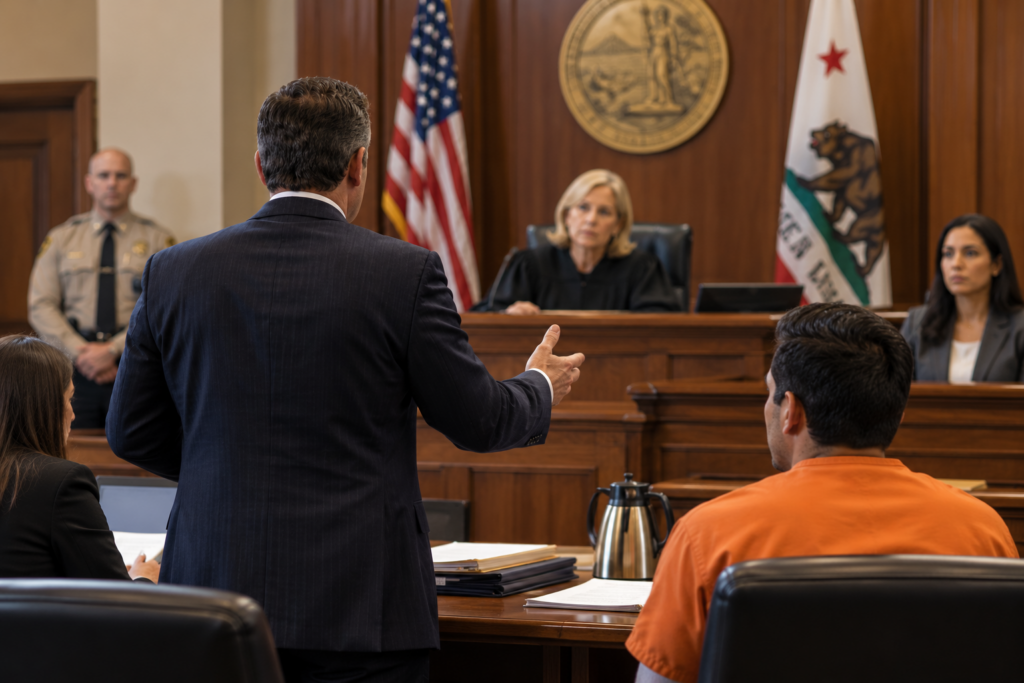

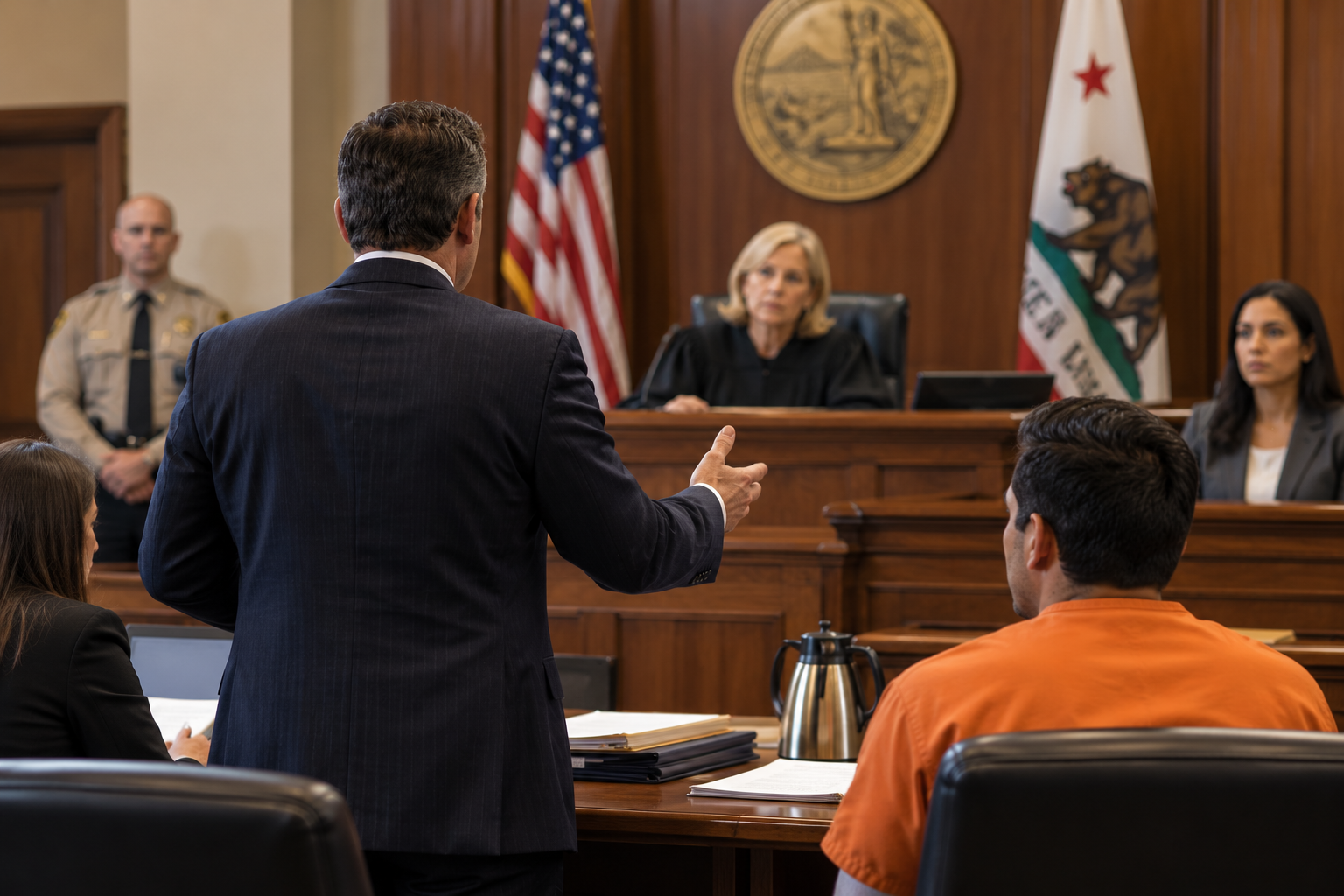
Being accused of a crime can be one of the most frightening experiences a person faces. Suddenly, you may be dealing with police investigations, court appearances, unfamiliar legal terminology, and the possibility of losing your freedom. Although the criminal justice system can feel intimidating, the law provides important protections designed to ensure that individuals are treated fairly throughout the legal process. One of the most fundamental protections is the constitutional right to due process.
Due process means that the government must follow established legal procedures and respect certain fundamental rights before depriving someone of life, liberty, or property. In a criminal case, these protections affect everything from how evidence is collected and charges are filed to how a trial is conducted and a sentence is imposed. They help protect individuals against arbitrary government action and unfair treatment.
For anyone facing criminal charges in California, understanding due process rights is an important part of understanding what happens next. Knowing what the government must prove, which procedures law enforcement must follow, and when a defendant can challenge improper conduct can make the criminal justice process less confusing. It also demonstrates why having an experienced criminal defense attorney involved early can be so important.
What Is Due Process Under the Law?
The right to due process comes primarily from the Fifth and Fourteenth Amendments to the United States Constitution. The Fifth Amendment restricts the federal government, while the Fourteenth Amendment applies due process protections to state governments, including California. Article I, Section 7 of the California Constitution also provides due process protections.
These constitutional provisions establish that the government cannot take away a person’s life, liberty, or property without due process of law. The Fourteenth Amendment, published by Congress, is especially important in state criminal proceedings because it requires states to respect fundamental constitutional protections.
In practical terms, due process in a criminal case means that prosecutors, law enforcement officers, and courts must operate within established legal boundaries. A person cannot simply be imprisoned because a government official believes that person committed a crime. The government must establish a lawful basis for its actions and provide the procedures and protections required by the Constitution.
Due process does not guarantee that every defendant will be found innocent or that every criminal charge will be dismissed. Instead, it establishes standards that the government must meet when investigating, prosecuting, and potentially punishing someone accused of criminal conduct.
The Two Main Types of Due Process
There are two primary categories of due process protections: procedural due process and substantive due process. Although they address different legal concerns, both are intended to prevent the government from exercising its authority unlawfully.
Procedural due process focuses on how the government makes decisions and carries out legal proceedings. In criminal cases, this includes requirements involving notice of charges, opportunities to challenge evidence, access to legal representation, and impartial proceedings. These protections help ensure that defendants have a meaningful opportunity to defend themselves.
Substantive due process addresses whether certain government actions improperly interfere with fundamental constitutional rights, regardless of the procedures used. It places limits on government power and protects against certain arbitrary or unjustified intrusions on protected liberties.
For most people facing criminal charges, procedural due process protections are the ones they will encounter most directly. However, both forms can become relevant when an attorney evaluates whether government conduct violated a defendant’s constitutional rights.
How Due Process Protects You During an Arrest and Investigation
Due process protections are relevant throughout a criminal investigation, but not every constitutional protection comes directly from the Due Process Clauses. For example, the Fourth Amendment governs unreasonable searches and seizures, while the Fifth Amendment protects against compelled self-incrimination. These rights work alongside due process protections to help ensure fair criminal proceedings.
Police officers generally need probable cause to make an arrest, although the specific legal requirements depend on the circumstances. Similarly, searches generally require a warrant unless a recognized exception applies. If law enforcement officers violate constitutional requirements, a defense attorney may have grounds to challenge the evidence obtained.
Another important protection involves questioning by law enforcement. Under the rules established by Miranda v. Arizona, officers generally must provide Miranda warnings before conducting custodial interrogation if the prosecution intends to use the resulting statements in its case-in-chief. These warnings explain the right to remain silent and the right to an attorney.
However, officers are not required to provide Miranda warnings every time they question someone, and failing to provide them does not automatically invalidate an arrest or dismiss criminal charges. Whether a statement can be used in court depends on the circumstances surrounding the questioning.
A criminal defense attorney can examine the investigation to determine whether officers respected the defendant’s rights and whether any constitutional violations provide grounds for challenging the prosecution’s evidence.
Your Right to Know the Criminal Charges Against You
One of the most important aspects of procedural due process in California is the right to receive adequate notice of criminal accusations. A defendant must understand the nature of the charges so that they have a meaningful opportunity to prepare a defense.
The Sixth Amendment guarantees defendants in criminal prosecutions the right to be informed of the nature and cause of the accusation. In California, criminal charges are generally presented through a complaint, information, or indictment, depending on the type of case and how the prosecution proceeds.
During an arraignment, the defendant is formally advised of the charges and certain legal rights and is asked to enter a plea. For someone unfamiliar with the criminal justice system, this may be the first opportunity to understand the specific offenses the prosecution alleges.
The right to notice is particularly important when a case involves multiple criminal charges, sentencing enhancements, or complicated allegations. A defendant accused of fraud, for example, needs to understand the specific conduct the prosecution claims was unlawful rather than simply being told that financial wrongdoing occurred.
Without sufficient notice, preparing an effective defense would become extremely difficult.
The Right to an Attorney in a Criminal Case
One of the most important protections available to someone facing criminal charges is the right to an attorney. The Sixth Amendment to the United States Constitution guarantees the right to legal counsel in criminal prosecutions. This protection is essential because criminal proceedings involve complicated laws, strict procedural requirements, and potentially serious consequences. Without legal representation, defendants may struggle to understand the charges against them, recognize weaknesses in the prosecution’s evidence, or protect their constitutional rights.
The right to counsel generally attaches when formal criminal proceedings begin, such as when charges are filed or a defendant makes an initial appearance before a judicial officer. Once this right attaches, defendants are entitled to legal representation at critical stages of the prosecution. Individuals who cannot afford an attorney may qualify for court-appointed counsel when the Constitution requires representation. However, defendants do not have an unrestricted right to choose which court-appointed attorney represents them.
The right to an attorney is also important during police questioning. Under the Fifth Amendment and the rules established by Miranda v. Arizona, individuals subjected to custodial interrogation have the right to request an attorney before answering questions. When a suspect clearly invokes that right, police generally must stop the interrogation until counsel is available, unless a legally recognized exception applies. These protections are distinct from the Sixth Amendment right to counsel, which applies after formal criminal proceedings have begun.
An experienced California criminal defense attorney can help protect these rights by reviewing the circumstances of an arrest, evaluating the legality of police questioning, examining evidence, and challenging improper procedures. Legal representation also helps defendants understand their options when considering plea agreements, preparing for trial, or responding to motions filed by the prosecution. Having an attorney involved early can help prevent decisions that may negatively affect the outcome of a criminal case.
Due Process During Pretrial Proceedings and Evidence Disclosure
Before a criminal case reaches trial, the prosecution and defense generally exchange information through a process called discovery. This can include police reports, witness statements, photographs, recordings, forensic results, and other evidence relevant to the allegations.
An especially important constitutional requirement concerns evidence favorable to the accused. Under the Supreme Court’s decision in Brady v. Maryland, prosecutors must disclose material evidence favorable to the defense concerning guilt or punishment. This can include evidence that undermines the credibility of an important prosecution witness.
For example, suppose a defendant is accused of committing an assault, but investigators possess surveillance footage that contradicts a key witness’s account. If the evidence meets the applicable disclosure requirements, withholding it could violate the defendant’s constitutional rights.
A defense attorney may also file motions challenging evidence or requesting other appropriate relief. In many California felony cases, a preliminary hearing provides an additional opportunity to challenge whether sufficient evidence exists to proceed toward trial.
The Presumption of Innocence and the Right to a Fair Trial
One of the most important principles of the American criminal justice system is the presumption of innocence. A defendant is presumed innocent unless and until the prosecution proves guilt beyond a reasonable doubt.
This burden rests with the prosecution. A defendant does not have to prove innocence, explain every accusation, or testify in their own defense. If the prosecution fails to establish every required element of the charged offense beyond a reasonable doubt, the defendant is entitled to an acquittal.
The Sixth Amendment also provides important trial protections, including the right to an impartial jury in qualifying cases, the right to confront prosecution witnesses, and the right to obtain witnesses for the defense.
These protections matter because criminal allegations often involve conflicting accounts, disputed evidence, and questions about witness reliability. A fair trial gives the defense an opportunity to expose weaknesses in the prosecution’s case rather than allowing accusations to go unchallenged.
Due process continues to matter during sentencing as well. Courts must follow applicable sentencing laws and constitutional requirements, and defendants must receive the procedural protections required for the particular proceeding.
What Happens When Due Process Rights Are Violated?
A due process violation in a criminal case can have significant consequences, but the available remedy depends on the specific violation and its effect on the proceedings.
For example, evidence obtained through an unconstitutional search may be excluded under applicable Fourth Amendment rules. A failure to disclose material evidence favorable to the defense may support a request for a new trial or other relief. Certain violations involving legal representation or trial fairness can also provide grounds for challenging a conviction.
However, not every procedural mistake automatically results in dismissed charges. Courts consider the constitutional rule involved, whether the error affected the defendant’s rights, and which legal remedies are available.
This is why investigating potential violations early is important. An experienced criminal defense attorney can review police conduct, prosecution disclosures, court procedures, and other aspects of the case to determine whether constitutional challenges should be pursued.
Frequently Asked Questions About Due Process in California Criminal Cases
People facing criminal charges often have questions about how constitutional protections apply to their situations. The following answers address several common concerns about due process rights in California.
Can Criminal Charges Be Dismissed Because of a Due Process Violation?
Yes, dismissal may be possible in certain circumstances, but it is not automatic. The appropriate remedy depends on the nature and seriousness of the violation. Some violations result in excluded evidence, additional hearings, or a new trial rather than dismissal. An attorney can evaluate whether the violation provides grounds to challenge the prosecution.
Does Due Process Apply to Both Misdemeanor and Felony Cases?
Yes. Constitutional due process protections apply to both misdemeanor and felony prosecutions. However, specific procedures and rights may differ depending on the offense, potential punishment, and stage of the case. Regardless of the charge, defendants are entitled to the fundamental fairness required by law.
Can I Challenge a Due Process Violation After Being Convicted?
Potentially. Certain constitutional violations may be raised through a direct appeal or an appropriate post-conviction proceeding. Strict deadlines and procedural requirements apply, and some claims may be limited if they were not raised earlier. Seeking legal guidance promptly is important.
What Should I Do if I Believe My Constitutional Rights Were Violated?
Speak with a criminal defense attorney as soon as possible. Provide a detailed account of what occurred, preserve relevant documents and communications, and identify potential witnesses. Avoid discussing the allegations publicly or attempting to influence witnesses. Your attorney can determine whether the circumstances support a constitutional challenge.
Facing Criminal Charges? Let Us Defend Your Rights!
When your freedom, reputation, and future are at stake, understanding your constitutional rights is only the beginning. Protecting those rights requires a criminal defense team that understands California law, recognizes potential procedural violations, and knows how to challenge the prosecution when necessary.
At Grech, Packer & Hanks, our award-winning Riverside criminal defense attorneys have extensive experience representing clients facing serious criminal allegations throughout Southern California. With hundreds of jury-trial cases behind our team and a Certified Specialist in Criminal Law, we bring substantial courtroom experience and determined advocacy to complex criminal matters.
Our experience includes defending clients in high-stakes white-collar crime cases, public corruption allegations, insurance fraud, and workers’ compensation fraud. Attorney Paul Grech, Jr. has also achieved significant case results for Inland Empire clients accused in California Government Code Section 1090 public corruption cases. We carefully examine the evidence, the prosecution’s strategy, and the procedures followed throughout each case to develop a defense tailored to the circumstances.
The sooner you act in your defense, the better. If you or someone you love is facing criminal charges, our attorneys are prepared to evaluate your case and fight to protect your rights. Contact us online or call 951-682-9311 to discuss your situation and learn how we can help.