



Common Mistakes People Make After an Arrest
An arrest can leave you frightened, embarrassed, and uncertain about what happens next. You may worry about going to jail, missing work, supporting your family, or protecting your reputation. Under that pressure, it is easy to make decisions that feel helpful in the moment but create problems for your defense.
Understanding what to do after an arrest begins with recognizing that your words and actions matter. Conversations with investigators, messages to other people, and decisions about evidence can affect how a case develops. An arrest does not establish guilt, but protecting your position requires care from the beginning.
At Grech, Packer & Hanks, we help clients throughout Southern California understand their rights and navigate criminal allegations. Avoiding these common mistakes after an arrest can help preserve your options while we evaluate the evidence and develop a defense.
Trying to Explain Your Way Out of the Arrest
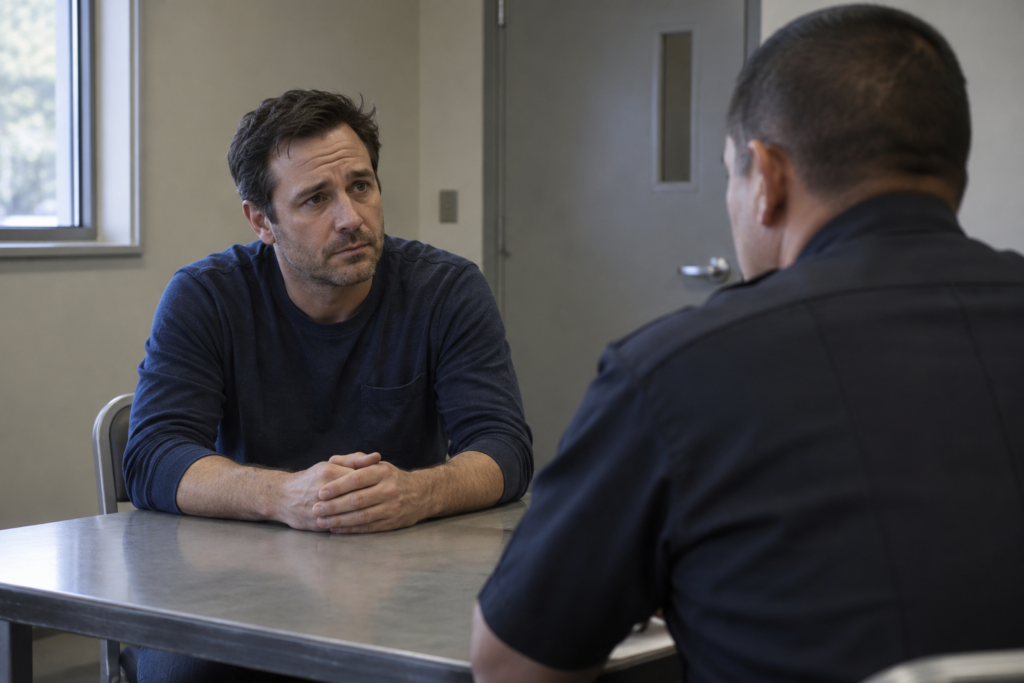
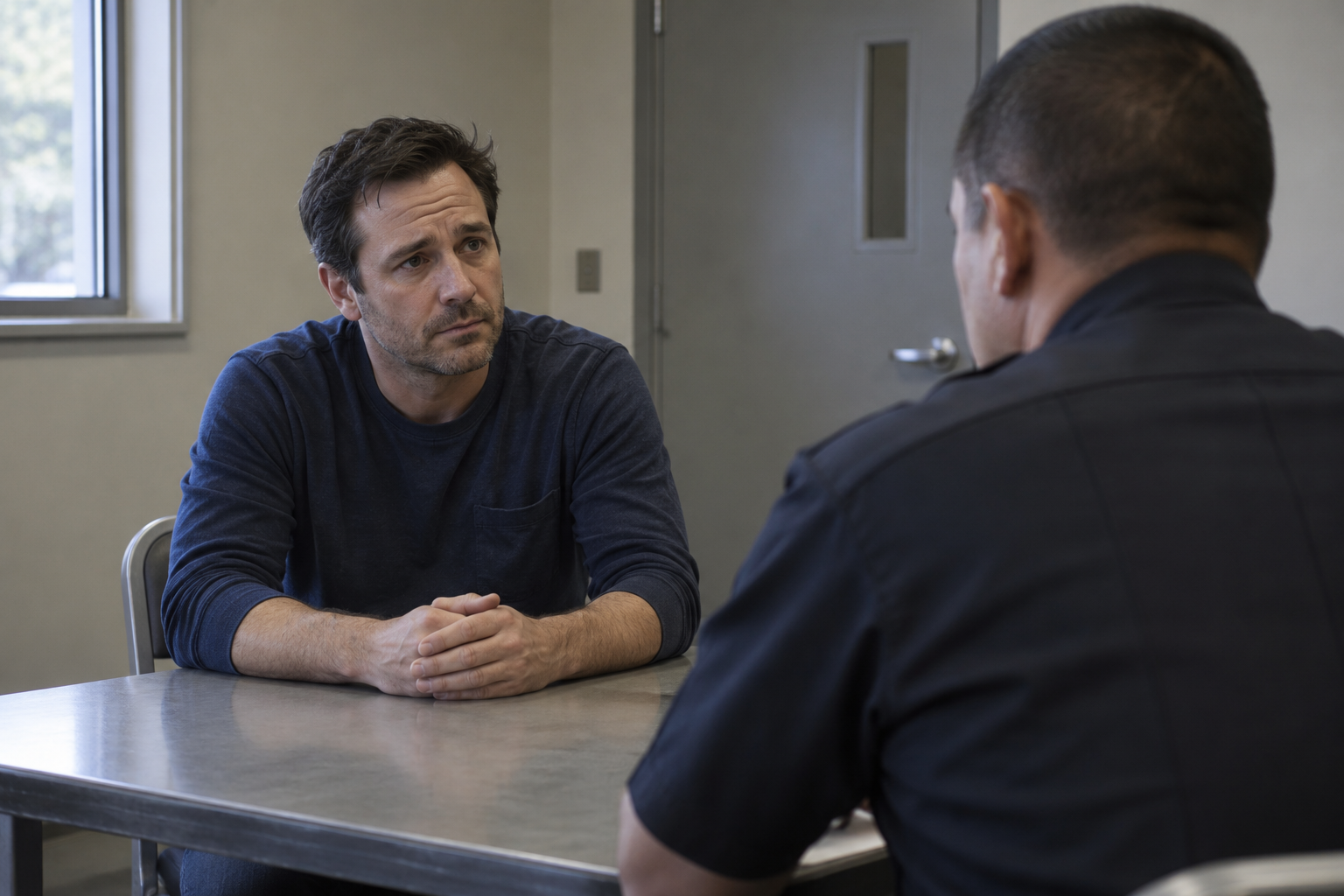
One of the most common mistakes is believing that a detailed explanation will convince officers to release you or stop investigating. You may want to correct an accusation, explain a misunderstanding, or provide context. However, an interview is not a neutral conversation. Investigators may compare your answers with witness statements, recordings, and other evidence, looking for inconsistencies or admissions.
Even truthful answers can create difficulties when you are exhausted or struggling to remember events. Guessing about a time, agreeing with an inaccurate summary, or speculating about another person’s intentions can produce statements that later require explanation. Something you consider minor may address an important element of the alleged offense.
Clearly state that you are exercising your right to remain silent and want an attorney before answering questions about the incident. Continue complying with lawful physical instructions and routine booking procedures. Exercising your rights does not require arguing with officers, lying, or physically resisting.
Assuming a Miranda Issue Automatically Ends the Case
People sometimes believe that an arrest is invalid because an officer did not immediately read them their rights. Miranda warnings generally concern custodial interrogation, rather than every arrest or interaction with police. Whether warnings were required depends on the circumstances surrounding the questioning.
A Miranda violation can affect whether certain statements may be introduced, but it does not automatically dismiss charges or eliminate independently obtained evidence. Volunteered statements can also present different issues from answers obtained through interrogation. These distinctions require a careful review of what happened.
Tell your attorney when questioning began, whether you were restrained, what officers said, and whether you requested counsel. Avoid assuming that an apparent procedural mistake makes further precautions unnecessary. A potential rights violation is something for your lawyer to investigate while you continue protecting your position.
Discussing the Case on Jail Calls or Social Media
After an arrest, reaching out to someone you trust is natural. However, ordinary jail calls and messages are commonly monitored or recorded. Conversations with friends, relatives, or other people in custody generally do not receive the same protections as confidential communications with your attorney.
A discussion about where you were, what you intended, or what someone else should say can become evidence. Family members may also misunderstand what happened and repeat an inaccurate account. Use ordinary calls for necessary practical arrangements, and ask your attorney how to communicate confidentially about the case.
The same caution applies to social media after an arrest. Public explanations, angry comments, private messages, and jokes may be preserved and examined. Ask friends and family to avoid debating the allegations online. Do not assume privacy settings protect a conversation, and do not delete existing material without legal guidance.
Contacting the Accuser or Trying to Influence Witnesses
You may believe that a conversation with the person who accused you will resolve the situation. Perhaps you want to apologize, ask for an explanation, or persuade the person to tell police that the incident was misunderstood. Those efforts can create additional legal problems, particularly if a protective order prohibits contact.
California law criminalizes certain attempts to prevent or dissuade victims or witnesses from reporting crimes, participating in prosecution, or testifying. The specific conduct and intent matter; threats are not the only potential concern. California Penal Code Section 136.1 addresses these offenses.
Do not ask another person to deliver a prohibited message on your behalf. Texting through a relative or contacting someone through social media may still violate an order. Give your attorney the names and contact information of potential witnesses so appropriate interviews and communications can be handled without compromising your defense.
Deleting Evidence or Failing to Preserve Helpful Records
Fear can lead people to erase messages, discard paperwork, or remove photographs that appear embarrassing. However, destroying or concealing potential evidence can create separate exposure. California Penal Code Section 135 makes certain willful destruction, erasure, or concealment a misdemeanor when the required knowledge and intent are present.
Preserve relevant material in its original form, including information that concerns you. Do not edit conversations, alter documents, or ask someone else to remove records. Your attorney needs an accurate understanding of the evidence to evaluate its significance and respond effectively. Material that initially appears damaging may have important context.
Failing to preserve favorable information is another costly mistake. Security footage may be overwritten, injuries may heal, and witnesses may become harder to locate. Promptly tell your lawyer about receipts, location records, photographs, recordings, and potential witnesses. Let counsel coordinate lawful preservation and collection rather than attempting your own investigation.
Missing Court or Misunderstanding Release Conditions
Being released from custody does not mean the matter is finished. You may still have a required court appearance, release conditions, or restrictions on contact and travel. Keep every document you receive and review the instructions with your attorney. Do not assume a lack of additional mail means you have no obligations.
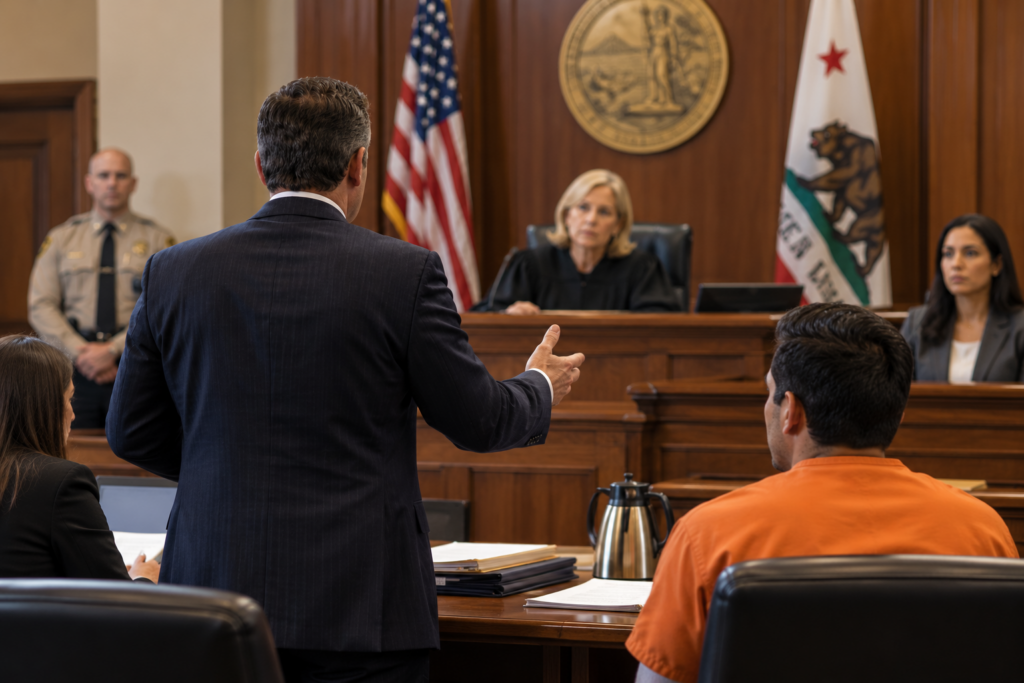
The California Courts explanation of arraignment describes how defendants learn the charges and their rights, enter a plea, and address release issues. Missing a required appearance can lead to a warrant and other consequences. Confirm the date, courthouse, department, and whether you must appear personally.
Read release conditions carefully rather than relying on memory or another person’s interpretation. If an order prohibits contact, the protected person’s invitation does not change the order. If transportation, employment, or a medical issue threatens your ability to comply, notify your attorney promptly so lawful options can be considered before a violation occurs.
Waiting to Hire Counsel or Accepting a Plea Too Quickly
Some people postpone contacting a California criminal defense attorney because they expect the accusation to disappear. Others assume legal help becomes necessary only when trial approaches. Early representation allows counsel to identify urgent issues, pursue evidence preservation, review release conditions, and advise you before additional statements are made.
Another mistake is accepting a plea simply to get the experience over with. A proposed resolution may have consequences beyond the immediate sentence, including effects on professional licensing, employment, immigration status, or future criminal proceedings. The significance varies with the charge and your circumstances.
A responsible decision requires understanding the allegation, available evidence, potential defenses, and terms of the offer. We examine the legality of law enforcement procedures, the prosecution’s strategy, witness credibility, and the specific facts involved. No attorney can guarantee dismissal or a reduction, but informed advice helps you evaluate your options.
Withholding Information From Your Defense Attorney
Embarrassment or fear may make you reluctant to disclose an unfavorable fact. You may worry that a prior conviction, damaging message, or earlier statement will change how your attorney views you. However, surprises can interfere with preparation. Your lawyer needs to know what the prosecution may discover.
Provide a complete account through confidential attorney-client communications, including facts you believe are harmful. Identify any existing probation, pending cases, protective orders, or statements you made before seeking representation. If you do not remember something, say so rather than filling in the gap.
You should also distinguish between what you personally observed and what someone told you afterward. Accurate information helps us assess the evidence and prepare for challenges. Protecting your criminal defense case requires honesty with your attorney, even when the conversation is uncomfortable.
Frequently Asked Questions
The period after an arrest often raises questions about police interviews, release, and the next court appearance. Although the answers depend on your circumstances, understanding these common issues can help you avoid decisions that complicate your defense.
Should I Answer Questions if I Am Innocent?
Innocence does not eliminate the risks of an interview. Stress, unclear questions, and incomplete information can lead to answers that investigators interpret differently from what you intended. Clearly request an attorney and exercise your right to remain silent about the incident while complying with lawful instructions.
Does Being Released Mean the Charges Were Dropped?
No. Release from custody does not necessarily mean prosecutors have declined or dismissed charges. Follow your release paperwork, track required appearances, and have your attorney confirm the case status. Do not assume the matter has ended because you have returned home or have not received another notice.
Can the Accuser Have the Charges Dropped?
The prosecutor generally decides whether to pursue criminal charges. An accuser’s wishes may be relevant, but that person does not control the prosecution. Do not contact anyone to pressure them into withdrawing an allegation or changing a statement. Provide relevant information to your attorney instead.
What if I Already Made One of These Mistakes?
Tell your attorney promptly and explain exactly what happened. Preserve the relevant messages, documents, or recordings rather than trying to undo the situation yourself. A mistake does not automatically determine the outcome, but early disclosure gives counsel a better opportunity to assess its effect and respond appropriately.
Arrested or Accused of a Crime? Let Us Defend You!
The threat of incarceration can overwhelm you and your family. At Grech, Packer & Hanks, our award-winning attorneys provide committed representation for people facing serious criminal allegations throughout Southern California. We help you understand the process, protect your rights, and make informed decisions.
Our Riverside criminal defense team brings hundreds of jury trials and a Certified Specialist in Criminal Law to our practice. Our experience includes high-stakes white-collar matters, insurance fraud, workers’ compensation fraud, and public corruption cases, including Section 1090 matters handled by Attorney Paul Grech, Jr.
We build a defense around the details that matter: the legality of investigative procedures, the strength of the prosecution’s evidence, witness credibility, and your specific circumstances. Whether a case involves contested statements, disputed identification, or complex records, we work to identify weaknesses and pursue an appropriate resolution.
The sooner you seek guidance, the sooner we can begin addressing your concerns and protecting your options. Contact Grech, Packer & Hanks at 951-682-9311 to discuss your arrest or criminal charges and take the next step in your defense.