


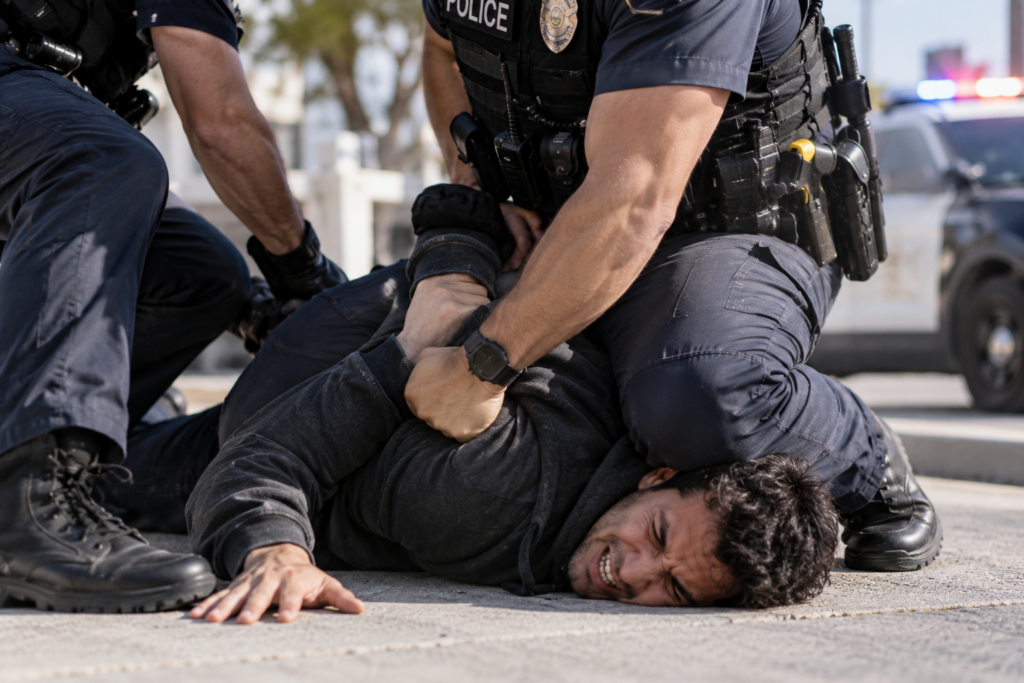


Why You Should Never Talk to Police Without an Attorney
Being questioned by law enforcement can be one of the most stressful experiences a person ever faces. Whether officers contact you at your home, ask to speak with you at work, call you on the phone, or request that you come to the police station “just to answer a few questions,” it is important to understand that every conversation can have serious legal consequences. Many people mistakenly believe that cooperating fully means answering every question without hesitation. Unfortunately, that decision can unintentionally create evidence that may later be used against them in court.
If you are under investigation or have been accused of committing a crime in Southern California, protecting your constitutional rights should be your highest priority. One of the most important rights you have is the right to remain silent and the right to have an attorney present during questioning. At Grech, Packer & Hanks, we believe every person deserves a fair defense and knowledgeable legal guidance before making statements that could affect the outcome of their case. Understanding why you should never talk to police without an attorney can help you avoid costly mistakes that are difficult—or even impossible—to undo.
Police Are Not Required to Protect Your Interests
Many people assume that law enforcement officers are simply trying to determine the truth. While officers certainly investigate crimes, their primary responsibility is gathering evidence related to potential criminal activity. That means conversations during an investigation are often focused on collecting information that may support criminal charges.
Police officers are highly trained in interviewing and interrogation techniques. They know how to ask questions in ways that encourage people to continue talking, even when doing so may not be in their best interests. An officer may appear friendly, sympathetic, or reassuring while asking questions, but that does not mean the conversation is informal or harmless. Everything you say may become part of the investigation.
The United States Supreme Court has long recognized the importance of protecting individuals during custodial interrogations through the constitutional safeguards established in Miranda v. Arizona. The Oyez summary of Miranda v. Arizona provides an excellent overview of why these protections remain fundamental to the criminal justice system.
Innocent People Can Accidentally Hurt Their Own Case
One of the biggest misconceptions in criminal defense is that only guilty people need lawyers. In reality, innocent individuals frequently make statements that create confusion or raise suspicion.
Human memory is imperfect, especially during stressful situations. You may misremember a timeline, incorrectly estimate a time or location, or unintentionally contradict something you said earlier. Prosecutors may later characterize these inconsistencies as evidence that you were being dishonest, even when they resulted from simple mistakes.
Even seemingly harmless comments can become problematic when taken out of context. A casual remark, joke, or assumption may later appear very different when written in a police report or repeated during court proceedings. Once a statement has been made, it becomes much more difficult to explain or clarify its original meaning.
Having an experienced California criminal defense attorney present helps ensure that your rights remain protected while preventing unnecessary misunderstandings that could damage your defense.
The Right to Remain Silent Is One of Your Strongest Legal Protections
The Fifth Amendment protects individuals from being compelled to incriminate themselves. This constitutional protection exists because lawmakers recognized that innocent people could be pressured into making statements against their own interests.
Invoking your right to remain silent is not an admission of guilt. It is the exercise of a constitutional right that exists for every person, regardless of whether they have committed a crime. Unfortunately, many people hesitate to remain silent because they fear appearing uncooperative.
Remaining respectful while clearly requesting an attorney is often the safest course of action. You do not need to argue with officers or refuse lawful orders. Instead, you can politely state that you wish to speak with an attorney before answering any questions.
The American Bar Association explains that individuals should understand their constitutional rights during encounters with law enforcement, including the right to remain silent and the right to legal counsel. Their educational resource on Miranda rights provides additional information about these important legal protections.
Common Police Interview Techniques
Many interrogations begin with what appears to be an informal conversation rather than an official interview. Officers may say things like:
- “We just want your side of the story.”
- “Help us understand what happened.”
- “If you have nothing to hide, why not answer a few questions?”
- “This is your chance to clear everything up.”
These statements often encourage individuals to continue talking without realizing they are participating in a criminal investigation. Officers may already possess evidence, witness statements, surveillance footage, or digital records before they ever contact you.
Investigators also commonly ask broad, open-ended questions that encourage lengthy responses. The more someone speaks, the greater the chance they may accidentally provide inaccurate, incomplete, or contradictory information. An experienced attorney understands these interview strategies and can advise you on whether speaking is in your best legal interest.
Why Timing Matters During a Criminal Investigation
One of the biggest mistakes people make is waiting too long before contacting an attorney. Some individuals believe they should first explain themselves to police before seeking legal representation. Others assume they are not in serious trouble because they have not been arrested.
In reality, investigations often begin weeks or months before charges are filed. Officers may spend considerable time gathering evidence, interviewing witnesses, reviewing financial records, analyzing electronic communications, or collecting digital evidence before making an arrest.
By the time investigators ask to speak with you, they may already have developed a theory about the case. Speaking without legal guidance can unintentionally strengthen that theory rather than weaken it.
Seeking legal representation early allows your attorney to evaluate the circumstances, communicate with investigators when appropriate, and help prevent avoidable mistakes during the investigation.
Police Can Legally Use Certain Deception During Interrogations
Many people are surprised to learn that investigators may legally use certain deceptive tactics during questioning. Depending on the circumstances, officers may falsely suggest they possess incriminating evidence or claim that another suspect has already implicated you.
These tactics are designed to encourage individuals to continue talking or make admissions they otherwise would not make. Someone who believes the police already have overwhelming evidence may feel pressured to explain themselves, even when remaining silent would have been the wiser decision.
An attorney helps level the playing field by ensuring that questioning remains within legal boundaries and by advising you before any statements are made.
How an Attorney Protects Your Rights
Hiring a Southern California criminal defense lawyer does not simply mean having someone represent you in court. Legal protection begins long before a trial ever occurs.
An experienced attorney evaluates whether investigators followed proper procedures throughout the investigation. They review whether searches, seizures, interviews, arrests, and evidence collection complied with constitutional requirements. If law enforcement violated your rights, your attorney may be able to challenge improperly obtained evidence.
Effective criminal defense also involves analyzing witness credibility, examining forensic evidence, identifying weaknesses in the prosecution’s case, and developing a legal strategy tailored to your specific circumstances.
At Grech, Packer & Hanks, we understand that every case presents unique facts. Our legal team carefully evaluates every detail, including:
- The legality of police procedures and investigative methods
- The prosecution’s legal strategy
- The strength and credibility of evidence and witnesses
- Your individual circumstances and criminal history, if any
These factors can significantly influence the direction and outcome of a criminal case.
What You Should Do If Police Contact You
If law enforcement contacts you regarding a criminal investigation, staying calm is essential. Emotional reactions often lead people to say more than they intended.
Instead of attempting to explain yourself immediately, remember these practical steps:
- Remain calm and respectful.
- Do not argue with officers.
- Do not consent to interviews without legal advice.
- Clearly state that you wish to speak with an attorney.
- Avoid discussing your case with friends, family members, or on social media.
- Contact an experienced California criminal defense attorney as soon as possible.
Following these steps helps preserve your legal rights while allowing your attorney to determine the best course of action.
The Long-Term Consequences of Speaking Without Legal Counsel
Many criminal cases are built piece by piece rather than through dramatic confessions. Small statements made during interviews may later be combined with surveillance footage, financial records, phone data, witness testimony, or forensic evidence.
Once prosecutors obtain a statement, it may influence charging decisions, plea negotiations, pretrial motions, and trial strategy. Even if a statement seems insignificant at the time, it may become a central part of the prosecution’s case months later.
Protecting yourself during the earliest stages of an investigation often provides the strongest opportunity to preserve your legal options. Speaking only after consulting with an attorney helps ensure that your constitutional rights remain protected throughout the process.
Frequently Asked Questions
Understanding your rights during a police investigation can make a significant difference if you ever find yourself facing questioning. Below are answers to some of the most common questions people ask about speaking with law enforcement and obtaining legal representation.
Can I politely refuse to answer police questions?
Yes. You may respectfully inform officers that you are exercising your right to remain silent and that you would like to speak with an attorney before answering questions. Remaining silent while being respectful is a lawful exercise of your constitutional rights.
Does asking for an attorney make me look guilty?
No. Requesting an attorney is a constitutional right available to everyone. Prosecutors cannot lawfully argue that simply requesting legal counsel is evidence of guilt. Experienced attorneys routinely advise clients to avoid answering investigative questions without legal representation.
What if the police tell me I am not under arrest?
Even if you are not under arrest, anything you say may still be used during a criminal investigation. Officers often interview individuals before making arrest decisions. Speaking without legal advice can still affect your case, making it wise to consult an attorney before participating in any interview.
Should I hire an attorney even if I believe I did nothing wrong?
Absolutely. Innocent individuals can unintentionally make statements that create misunderstandings or appear inconsistent with other evidence. Having a knowledgeable attorney protect your rights from the beginning is often one of the most important decisions you can make.
Accused of a Crime? Let Us Defend You!
Being accused of a crime can leave you feeling frightened, uncertain, and unsure of what to do next. However, the decisions you make during the first hours or days of an investigation can have lasting consequences. One of the most important decisions is choosing not to answer police questions until you have spoken with an attorney who understands criminal defense and California law.
At Grech, Packer & Hanks, we have earned a reputation for providing aggressive legal representation in high-stakes criminal cases throughout Southern California. Our attorneys have handled hundreds of jury trials, and our team includes a Certified Specialist in Criminal Law. We understand the complexities of investigations involving white collar crimes, fraud allegations, public corruption cases, and many other serious criminal matters. We work diligently to protect our clients’ constitutional rights while pursuing the strongest possible defense strategy.
The sooner you involve experienced legal counsel, the more opportunities there may be to protect your interests. Whether you are under investigation, have been arrested, or simply believe law enforcement wants to question you, do not wait until it is too late. We are prepared to carefully evaluate your case, explain your options, and advocate for your rights every step of the way.
If you or someone you love has been accused of a crime, contact Grech, Packer & Hanks today. Call (951) 682-9311 or reach out through our online contact form to schedule a confidential consultation. Early legal representation can make a meaningful difference in protecting your future.